
Aesthetics


Face
The most modern facial treatments help you look younger, more elegant and happier.

Body
Feel comfortable in your body and correct sources of discomfort.

Chest
Make your wish for a better appearance come true and restore your self-confidence with aesthetic correction.

Hair and scalp
Minimally invasive solutions for hair loss and a natural look.

Issues
Find solutions to some of the most common aesthetic problems.
Treatments
VISIA professional facial skin analysis
Dermal fillers
Fractional skin resurfacing
HydraFacial facial cleansing treatment
Micro needeling tretament
Chemical peeling
Laser acne treatment
Laser skin rejuvenation
Laser removal of skin redness and capillaries
Laser removal of hyperpigmentation and other pigment changes
Mesotherapy
Micropigmentation of eyelids, eyebrows and lips
Facial rejuvenation with your own blood
Lip augmentation
REVIDERM Skin Peeler microdermabrasion
Skinboosters – restore the skin’s deep glow
Micro needeling tretament
Therapy for facial wrinkles
Vega – bipolar radio frequency
Surgery
Facelift
Chin correction
Nose surgery (rhinoplasty)
Eyelid surgery
Double chin correction
Correction of cleft lip, nose and palate
Ear surgery (otoplasty)
Laser removal of benign changes
Eyebrows lift
Neck lift
Lip Lift
Lipofilling – fat tissue transfer
Ortognatska kirurgija
VECTRA XT 3D Nose Imaging
Treatments
Adipology
CoolSculpting cryolipolysis
Dermatological examination
Digital dermatoscopy
Laser hair removal
Removing scars and strech marks
Laser spider vein removal
Pressotherapy
Med Contour body shaping treatment
VisBody analiza sastava tijela
Treatment for excessive sweating
Venus Legacy multipolar radiofrequency
Z WavePro shock wave therapy
Zerona laser treatment




Hair and scalp mesotherapy
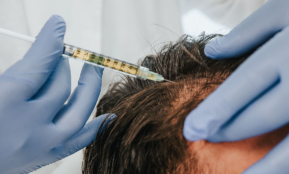
Thinning hair therapy with your own blood

Trichotest – DNA analysis of hair loss and baldness

Hair loss in women – causes and how to prevent it
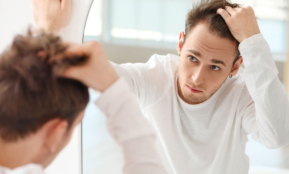
Hair loss in men – causes and how to prevent it
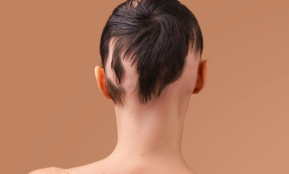
Alopecia – hair loss
FACE
Acne
Wrinkles
Thin lips
Redness
Deviation of the septum
Spots on the face
Humpback nose
Hyperpigmentation
Pinched ears
Collagen deficiency
Peeling skin
Melasma
Blackheads
Sagging lower face
Open pores
Scars
Dark circles
Pores
Post-inflammatory hyperpigmentation
Nose reduction
Lowered eyelids
Sunspots
Dry skin
Tired eyelids
Retreating chin
Cleft palate
Big double chin
BODY

Implantology Center
Different methods of solving the problem of missing one or more teeth.

Prosthetics
The most common solution in cases of functional or aesthetic tooth damage.

Aesthetic Dentistry
Harmonious tooth shaping and tooth color correction according to your wishes.

General Dentistry
Modern and timely diagnostics, treatment and dental hygiene are the key to the health of your teeth.
Issues
Find solutions to some of the most common aesthetic problems.

About us

Locations








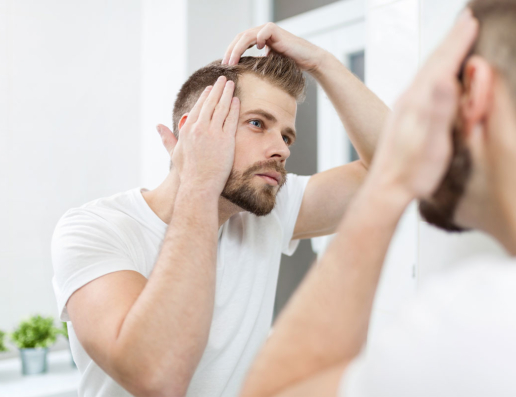
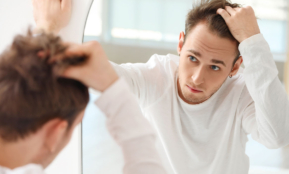
The most common cause is androgenic alopecia, or male pattern baldness, which is genetically inherited. This type of hair loss usually begins with a receding hairline on the forehead and thinning on the crown of the head, which can eventually lead to complete hair loss in these areas.
Factors of hair loss in men
-
Hormonal changes
Dihydrotestosterone (DHT), a hormone derived from testosterone, is a key factor in male hair loss because it causes hair follicles to shrink.
-
Stress
Physical or emotional stress can trigger a phase of hair loss.
-
Unhealthy diet
A deficiency in vitamins and minerals, such as iron, zinc, and vitamin D, can contribute to hair loss.
-
Medical conditions
Conditions such as thyroid problems, anemia, or autoimmune diseases can affect hair loss.
-
Smoking, excessive alcohol consumption, and lack of sleep can also contribute to hair loss.
Types of male pattern baldness
-
Androgenic alopecia
The most common form of hair loss in men. Genetically determined and linked to the hormone dihydrotestosterone (DHT). It begins with a receding hairline on the forehead and thinning hair on the crown, and can lead to complete baldness on the top of the head.
-
Alopecia areata
An autoimmune disease that causes sudden hair loss in the form of round or oval patches on the scalp or other parts of the body. In some cases, the hair may grow back, but it may also fall out again.
-
Telogen effluvium
Temporary hair loss caused by stress, surgery, illness, sudden weight changes, or hormonal changes. Hair falls out diffusely, meaning it thins across the entire scalp.
-
Traumatic alopecia
Hair loss caused by constant pulling, twisting, or straining of the hair (e.g., from wearing tight hairstyles or hats). It can also occur due to physical injury to the scalp, chemical damage, or heat treatments.
-
Scarring alopecia
A rare type of baldness caused by inflammatory processes that destroy hair follicles, leaving scars on the skin. Hair loss is permanent because the follicles cannot grow back.
-
Diffuse alopecia
Hair loss that occurs evenly throughout the scalp.
It can be caused by hormonal changes, stress, improper diet, certain medications, or illness.
Treatments for hair loss in men
-
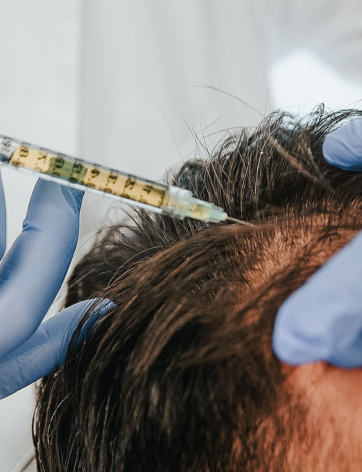
Hair and scalp mesotherapy
Scalp mesotherapy is the treatment of injecting a cocktail of vitamins, minerals, hyaluronan and other active substances into the scalp. A high-quality mesotherapy cocktail restores the scalp, stimulates hair growth and strengthens hair. It has been used with great success for more than sixty years as one of the most popular methods of rejuvenating the scalp and the skin of the face and body.
-
Thinning hair therapy with your own blood
Blood plasma therapy, or your own blood, is a type of so-called regenerative medicine that is most often used in the fight against aging and the treatment of injuries.
It proactively uses components of our blood such as platelets, bio-active substances and growth factors that are responsible for the tissue regeneration process.
In the last few years, autologous blood therapy has gained significant traction based on its positive results in solving the problem of hair loss. -
Trichotest - DNA analysis of hair loss and baldness
An innovation in hair loss treatment is the most complete genetic TrichoTest, which enables fully personalized treatment of alopecia. The test determines the genetic predisposition to scalp diseases, which will ensure that your doctor sets the most precise and effective therapy that will slow down and reduce hair loss.
Prevention of hair loss in men
-
Healthy diet
Hair is made up of keratin, a protein, so it is important to consume enough protein through foods such as meat, fish, eggs, nuts and legumes. Vitamins A, C, D, E, zinc, iron and biotin are essential for hair health. Green leafy vegetables, nuts, seeds, fish and fruit should be part of your daily diet.
-
Regular hair care
Use mild shampoos and conditioners that will not irritate the scalp or further dry out the hair.
Avoid excessive use of heat devices (hair dryer, hair straightener) as heat can damage hair follicles. -
Stress reduction
Stress is one factor that can contribute to hair loss. Find relaxation techniques, such as meditation, yoga, or regular physical activity, to help reduce your stress levels.
-
Local treatments
Minoxidil is a medication that can be applied directly to the scalp and stimulates hair growth. It is available over the counter and is one of the most commonly used treatments for preventing hair loss.
-
Regular check-ups with a dermatologist
A visit to a specialist will allow for early identification of hair problems and initiation of appropriate treatment before hair loss becomes serious.
Myths and truths about hair loss in men
-
Hair loss comes exclusively from the mother's side of the family
Truth: A genetic predisposition to hair loss can be inherited from both sides of the family, both the mother's and the father's. The genes that influence hair loss come from a complex genetic inheritance, so it cannot be said that the mother's side is solely responsible.
-
Wearing hats causes baldness
Truth: Wearing a hat does not cause hair loss. However, if you wear the hat too often and it tightens the scalp too much, it can cause friction and irritation, which in some cases can contribute to less hair growth. As long as the hat isn't too tight, you won't have any problems.
-
Washing your hair every day causes hair loss
Truth: Washing your hair every day will not cause baldness. Shampooing helps keep your scalp healthy and clean. Hair that falls out during washing is usually hair that is already in the shedding stage, not due to washing itself. It is recommended to use a mild shampoo and avoid rough rubbing.
-
Hair loss only happens to older men
Hair loss can begin at any age, and many men begin to notice signs of baldness as early as their twenties. Androgenetic alopecia, the most common form of baldness, can begin very early and become more pronounced over time.

BLOG SUGGESTION