
Aesthetics


Face
The most modern facial treatments help you look younger, more elegant and happier.

Body
Feel comfortable in your body and correct sources of discomfort.

Chest
Make your wish for a better appearance come true and restore your self-confidence with aesthetic correction.

Hair and scalp
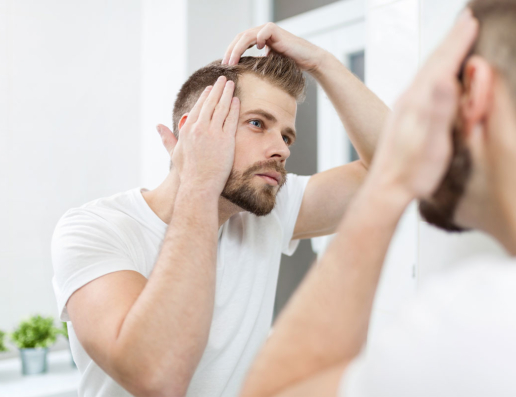
Minimally invasive solutions for hair loss and a natural look.

Issues
Find solutions to some of the most common aesthetic problems.
Treatments
VISIA professional facial skin analysis
Dermal fillers
Fractional skin resurfacing
HydraFacial facial cleansing treatment
Micro needeling tretament
Chemical peeling
Laser acne treatment
Laser skin rejuvenation
Laser removal of skin redness and capillaries
Laser removal of hyperpigmentation and other pigment changes
Mesotherapy
Micropigmentation of eyelids, eyebrows and lips
Facial rejuvenation with your own blood
Lip augmentation
REVIDERM Skin Peeler microdermabrasion
Skinboosters – restore the skin’s deep glow
Micro needeling tretament
Therapy for facial wrinkles
Vega – bipolar radio frequency
Surgery
Facelift
Chin correction
Nose surgery (rhinoplasty)
Eyelid surgery
Double chin correction
Correction of cleft lip, nose and palate
Ear surgery (otoplasty)
Laser removal of benign changes
Eyebrows lift
Neck lift
Lip Lift
Lipofilling – fat tissue transfer
Ortognatska kirurgija
VECTRA XT 3D Nose Imaging
Treatments
Adipology
CoolSculpting cryolipolysis
Dermatological examination
Digital dermatoscopy
Laser hair removal
Removing scars and strech marks
Laser spider vein removal
Pressotherapy
Med Contour body shaping treatment
VisBody analiza sastava tijela
Treatment for excessive sweating
Venus Legacy multipolar radiofrequency
Z WavePro shock wave therapy
Zerona laser treatment


Hair and scalp mesotherapy
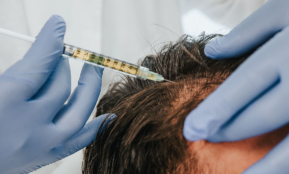
Thinning hair therapy with your own blood

Trichotest – DNA analysis of hair loss and baldness

Hair loss in women – causes and how to prevent it
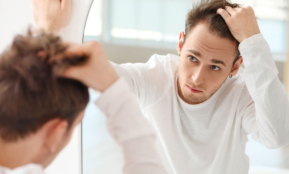
Hair loss in men – causes and how to prevent it
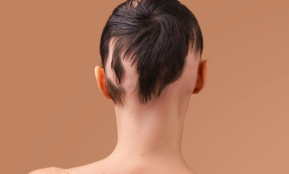
Alopecia – hair loss
FACE
Acne
Wrinkles
Thin lips
Redness
Deviation of the septum
Spots on the face
Humpback nose
Hyperpigmentation
Pinched ears
Collagen deficiency
Peeling skin
Melasma
Blackheads
Sagging lower face
Open pores
Scars
Dark circles
Pores
Post-inflammatory hyperpigmentation
Nose reduction
Lowered eyelids
Sunspots
Dry skin
Tired eyelids
Retreating chin
Cleft palate
Big double chin
BODY

Implantology Center
Different methods of solving the problem of missing one or more teeth.

Prosthetics
The most common solution in cases of functional or aesthetic tooth damage.

Aesthetic Dentistry
Harmonious tooth shaping and tooth color correction according to your wishes.

General Dentistry
Modern and timely diagnostics, treatment and dental hygiene are the key to the health of your teeth.
Issues
Find solutions to some of the most common aesthetic problems.

About us

Locations







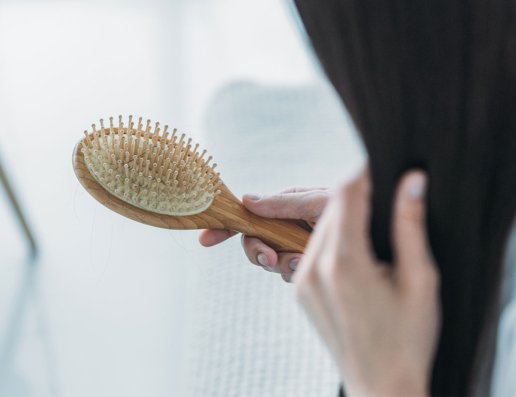
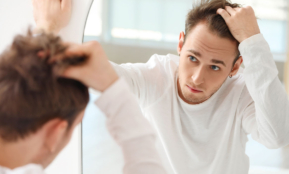
Hair loss is a normal part of the hair life cycle. Each hair goes through three phases – growth, resting and shedding. After it falls out of the follicle, a new hair immediately grows, so the hair is constantly renewed. Each of us will notice hair loss when washing or combing. Losing 70-100 hairs a day is completely normal – as long as new hair grows at a healthy pace.
However, if the loss becomes more pronounced, and we notice thinning or entire areas of hairless hair on the scalp, it is obvious that a disorder has occurred. In this case, it is necessary to seek help from a dermatologist as soon as possible.
Types of alopecia
There are several types of alopecia:
-
Androgenic alopecia
This type of alopecia most often affects men. It occurs due to the negative effects of male hormones on the hair follicle. Since women also have male hormones, it also occurs in women, especially during hormonal changes (after childbirth, during menopause, etc.).
So, the hormone testosterone affects both male and female hair equally, which depends on the genetic predisposition of the follicle, i.e. how sensitive it is to the hormone.
-
Alopecia areata
Alopecia areata causes single or multiple oval-shaped patches of hair loss, most often on the scalp or other parts of the body. More severe forms can lead to complete baldness.
-
Telogen effluvium
This type of hair loss causes hair to thin out over the entire scalp and leads to baldness. It is usually a sudden and complete loss of hair. This condition causes hair to enter the resting phase (telogen phase) prematurely and then fall out, preventing hair from growing back. It can occur due to nutritional deficiencies, certain medications, hormonal changes, or exposure to high levels of stress. It can especially occur if a woman has polycystic ovary syndrome, after giving birth, or during menopause when estrogen levels drop.
-
Universal alopecia (Alopecia universalis)
People affected by this type of alopecia lose all body hair. In addition to aesthetic problems, loss of hair in the nose and around the eyes also represents a health risk, because they have the function of protecting the mucous membrane from external influences.
-
Total alopecia (Alopecia totalis)
In this form of alopecia, there is total hair loss, but body hair remains intact. Alopecia totalis occurs in two forms - as sudden and abrupt hair loss or as a gradual condition that begins with patchy hair loss (like Alopecia areata) and eventually leads to complete hair loss.
-
Ophiasis
This is a variant of alopecia areata in which hair loss occurs in a wavy pattern around the entire head.
-
Alopecia due to hair pulling
If hair is pulled too tightly in ponytails, braids, or other types of hairstyles, damage to the hair follicles and roots can occur, which can eventually lead to hair loss. A subtype of this alopecia is Chignon alopecia – hair loss on the top of the head caused by pulling the hair into a tight bun. This type of hair loss sometimes affects ballerinas who regularly wear very tight buns.
-
Trichotillomania
This is a form of obsessive-compulsive disorder in which the person pulls out their hair, which usually leaves isolated patches without hair.
-
Folliculitis
Folliculitis is a bacterial infection that causes irritation of the follicles, leading to sensitivity and hair loss.
Complications associated with alopecia
-
Psychological complications
Hair loss, especially if it is visible, can significantly affect self-confidence and self-perception, causing feelings of insecurity.
-
Hair loss on other parts of the body
In some forms of alopecia, such as alopecia areata, in addition to hair on the head, there may be hair loss on the eyebrows, eyelashes, and other parts of the body, which can have additional aesthetic and psychological consequences.
-
Skin infection
If a person starts to pick or pull their hair due to itching, irritation, or stress caused by hair loss, it can cause skin damage and an increased risk of infection, especially if there is an open wound or irritation.
-
Increased sensitivity to the sun
Hair loss can increase the scalp's exposure to the sun, which can lead to sunburn and skin damage. People suffering from alopecia should be careful and use sunscreen to prevent sunburn.
-
Tendency to autoimmune diseases
Alopecia areata is an autoimmune disorder in which the body attacks its own hair follicles. Sometimes this disorder can be associated with other autoimmune diseases, such as thyroid disease, vitiligo, type 1 diabetes, etc.
-
Aesthetic changes
Changes in hair appearance, such as thinning or complete baldness, can affect how a person feels about their body, which can cause additional psychological and social problems. Depending on the severity of the condition, people may feel the need to wear wigs, hats, or other accessories.
Myths and truths about alopecia
-
Alopecia is caused by stress
Although stress can trigger temporary hair loss (such as in telogen effluvium), alopecia itself is not caused by stress. The main causes of alopecia can be genetic, autoimmune, hormonal, or disease-related.
-
Hair loss only affects men
Alopecia can affect both men and women. Although genetically determined alopecia (androgenic alopecia) is more common among men, women can also suffer from hair loss, especially after menopause or due to hormonal changes.
-
Excessive washing of hair causes hair loss.
Washing your hair itself does not cause hair loss. Hair falls out naturally during the growth cycle, and washing your hair actually helps keep your scalp clean. However, overly aggressive treatments or the use of harsh chemicals can damage your hair and follicles, which can lead to hair loss.
-
Myth: Hair will never grow back after it falls out
In many cases, hair can grow back, especially if the cause of hair loss is temporary. For example, with alopecia areata, many people experience hair regrowth at some point, although this is not guaranteed for everyone.
Treatments for alopecia
-
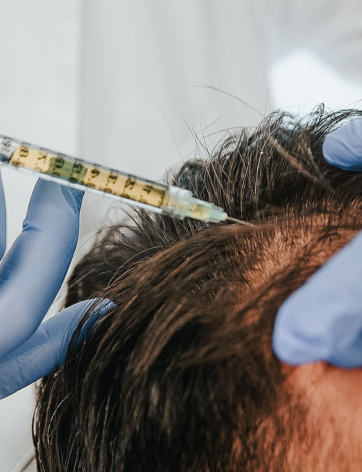
Scalp mesotherapy
Scalp mesotherapy is a treatment that restores the scalp, stimulates hair growth, and strengthens hair.
-
Thinning hair therapy with your own blood
Blood plasma therapy, or your own blood, is a type of so-called regenerative medicine that is most often used in the fight against aging and the treatment of injuries.
By applying this method, accelerated hair growth was recorded in most patients - longer and thicker hair compared to the untreated area.

BLOG SUGGESTION