

Aesthetics


Face
The most modern facial treatments help you look younger, more elegant and happier.

Body
Feel comfortable in your body and correct sources of discomfort.

Chest
Make your wish for a better appearance come true and restore your self-confidence with aesthetic correction.

Hair and scalp
Minimally invasive solutions for hair loss and a natural look.

Issues
Find solutions to some of the most common aesthetic problems.
Treatments
VISIA professional facial skin analysis
Dermal fillers
Fractional skin resurfacing
HydraFacial facial cleansing treatment
Micro needeling tretament
Chemical peeling
Laser acne treatment
Laser skin rejuvenation
Laser removal of skin redness and capillaries
Laser removal of hyperpigmentation and other pigment changes
Mesotherapy
Micropigmentation of eyelids, eyebrows and lips
Facial rejuvenation with your own blood
Lip augmentation
REVIDERM Skin Peeler microdermabrasion
Skinboosters – restore the skin’s deep glow
Micro needeling tretament
Therapy for facial wrinkles
Vega – bipolar radio frequency
Surgery
Facelift
Chin correction
Nose surgery (rhinoplasty)
Eyelid surgery
Double chin correction
Correction of cleft lip, nose and palate
Ear surgery (otoplasty)
Laser removal of benign changes
Eyebrows lift
Neck lift
Lip Lift
Lipofilling – fat tissue transfer
Ortognatska kirurgija
VECTRA XT 3D Nose Imaging
Treatments
Adipology
CoolSculpting cryolipolysis
Dermatological examination
Digital dermatoscopy
Laser hair removal
Removing scars and strech marks
Laser spider vein removal
Pressotherapy
Med Contour body shaping treatment
VisBody analiza sastava tijela
Treatment for excessive sweating
Venus Legacy multipolar radiofrequency
Z WavePro shock wave therapy
Zerona laser treatment



Hair and scalp mesotherapy
Thinning hair therapy with your own blood

Trichotest – DNA analysis of hair loss and baldness

Hair loss in women – causes and how to prevent it

Hair loss in men – causes and how to prevent it
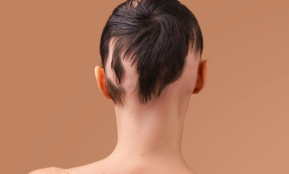
Alopecia – hair loss
FACE
Acne
Wrinkles
Thin lips
Redness
Deviation of the septum
Spots on the face
Humpback nose
Hyperpigmentation
Pinched ears
Collagen deficiency
Peeling skin
Melasma
Blackheads
Sagging lower face
Open pores
Scars
Dark circles
Pores
Post-inflammatory hyperpigmentation
Nose reduction
Lowered eyelids
Sunspots
Dry skin
Tired eyelids
Retreating chin
Cleft palate
Big double chin
BODY


Implantology Center
Different methods of solving the problem of missing one or more teeth.

Prosthetics
The most common solution in cases of functional or aesthetic tooth damage.

Aesthetic Dentistry
Harmonious tooth shaping and tooth color correction according to your wishes.

General Dentistry
Modern and timely diagnostics, treatment and dental hygiene are the key to the health of your teeth.
Issues
Find solutions to some of the most common aesthetic problems.

About us

Locations






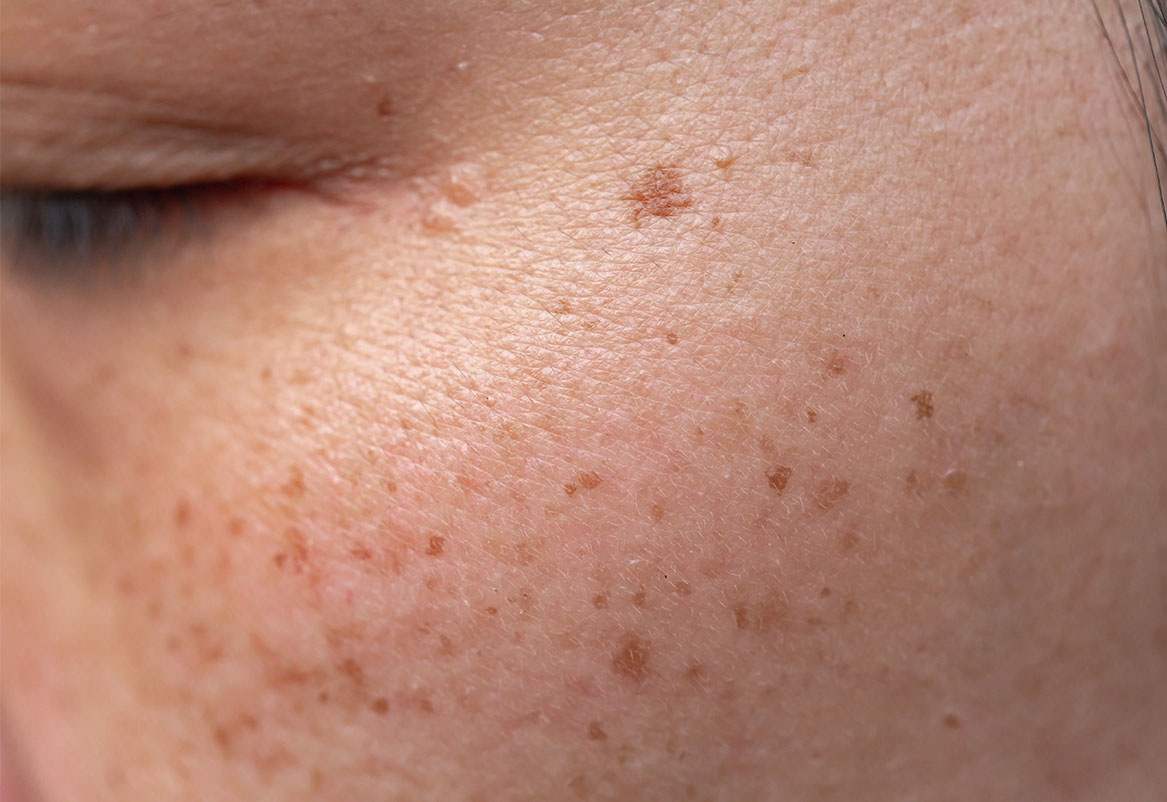
How do age spots develop?
-
Exposure to UV rays
When skin is exposed to the sun, UV rays penetrate the upper layers of the skin (epidermis) and stimulate melanocytes, the cells that produce melanin, the pigment that gives skin its color. Artificial sources of UV rays, such as tanning beds, can also cause similar effects.
-
Increased production of melanin
Melanin acts as the skin's natural protection against UV radiation. When skin is exposed to UV rays, melanocytes produce more melanin to protect the deeper layers of the skin from damage. Over time, especially after years of sun exposure, melanin can build up in certain areas of the skin, creating dark spots known as age spots.
-
Skin aging
As we age, the skin cell renewal process becomes slower, which means that damaged cells remain on the surface of the skin longer. Older skin is less elastic and more resistant to UV rays, which can lead to greater sun damage and the formation of age spots.
-
Oxidative stress
Exposure to UV rays can also increase the production of free radicals, which can damage skin cells and accelerate the skin aging process, including the formation of age spots.
The effect of the sun on age spots
-
Ultraviolet rays
UVB rays cause superficial skin damage, such as sunburn. They can also stimulate melanin production, which can lead to dark spots. UVA rays penetrate deeper into the skin and can cause long-term damage, such as skin aging and hyperpigmentation. These rays are the main cause of age spots because they stimulate melanocytes to produce more melanin.
-
Melanin accumulation
When skin is exposed to UV radiation, melanocytes (cells that produce melanin) increase melanin production to protect the skin from further damage. Over time, excess melanin can build up in certain areas of the skin, creating dark spots or age spots.
-
Skin damage
UV radiation increases the formation of free radicals, unstable molecules that can damage skin cells and accelerate the aging process. Long-term exposure to the sun can cause damage to collagen and elastin in the skin, which leads to wrinkles, loss of elasticity and the appearance of age spots.
Prevention of age spots
-
Sun protection
Use a sunscreen with a high SPF (at least 30) every day, even on cloudy days. Reapply every few hours, especially after swimming or sweating. Try to avoid sun exposure between 10 a.m. and 4 p.m., when UV rays are strongest.
-
Regular skin care
Use moisturizers that help maintain skin health. Skin care products that contain antioxidants (such as vitamin C and E) can help fight free radicals and reduce skin damage.
-
Treatments for age spots
Chemical peels, laser therapy, and SkinPen are just some of the treatments that can greatly reduce age spots.


BLOG SUGGESTION

