

Aesthetics


Face
The most modern facial treatments help you look younger, more elegant and happier.

Body
Feel comfortable in your body and correct sources of discomfort.

Chest
Make your wish for a better appearance come true and restore your self-confidence with aesthetic correction.

Hair and scalp
Minimally invasive solutions for hair loss and a natural look.

Issues
Find solutions to some of the most common aesthetic problems.
Treatments
VISIA professional facial skin analysis
Dermal fillers
Fractional skin resurfacing
HydraFacial facial cleansing treatment
Micro needeling tretament
Chemical peeling
Laser acne treatment
Laser skin rejuvenation
Laser removal of skin redness and capillaries
Laser removal of hyperpigmentation and other pigment changes
Mesotherapy
Micropigmentation of eyelids, eyebrows and lips
Facial rejuvenation with your own blood
Lip augmentation
REVIDERM Skin Peeler microdermabrasion
Skinboosters – restore the skin’s deep glow
Micro needeling tretament
Therapy for facial wrinkles
Vega – bipolar radio frequency
Surgery
Facelift
Chin correction
Nose surgery (rhinoplasty)
Eyelid surgery
Double chin correction
Correction of cleft lip, nose and palate
Ear surgery (otoplasty)
Laser removal of benign changes
Eyebrows lift
Neck lift
Lip Lift
Lipofilling – fat tissue transfer
Ortognatska kirurgija
VECTRA XT 3D Nose Imaging
Treatments
Adipology
CoolSculpting cryolipolysis
Dermatological examination
Digital dermatoscopy
Laser hair removal
Removing scars and strech marks
Laser spider vein removal
Pressotherapy
Med Contour body shaping treatment
VisBody analiza sastava tijela
Treatment for excessive sweating
Venus Legacy multipolar radiofrequency
Z WavePro shock wave therapy
Zerona laser treatment




Hair and scalp mesotherapy
Thinning hair therapy with your own blood

Trichotest – DNA analysis of hair loss and baldness

Hair loss in women – causes and how to prevent it
Hair loss in men – causes and how to prevent it
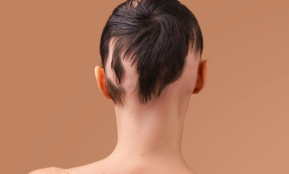
Alopecia – hair loss
FACE
Acne
Wrinkles
Thin lips
Redness
Deviation of the septum
Spots on the face
Humpback nose
Hyperpigmentation
Pinched ears
Collagen deficiency
Peeling skin
Melasma
Blackheads
Sagging lower face
Open pores
Scars
Dark circles
Pores
Post-inflammatory hyperpigmentation
Nose reduction
Lowered eyelids
Sunspots
Dry skin
Tired eyelids
Retreating chin
Cleft palate
Big double chin
BODY

Implantology Center
Different methods of solving the problem of missing one or more teeth.

Prosthetics
The most common solution in cases of functional or aesthetic tooth damage.

Aesthetic Dentistry
Harmonious tooth shaping and tooth color correction according to your wishes.

General Dentistry
Modern and timely diagnostics, treatment and dental hygiene are the key to the health of your teeth.
Issues
Find solutions to some of the most common aesthetic problems.

About us

Locations







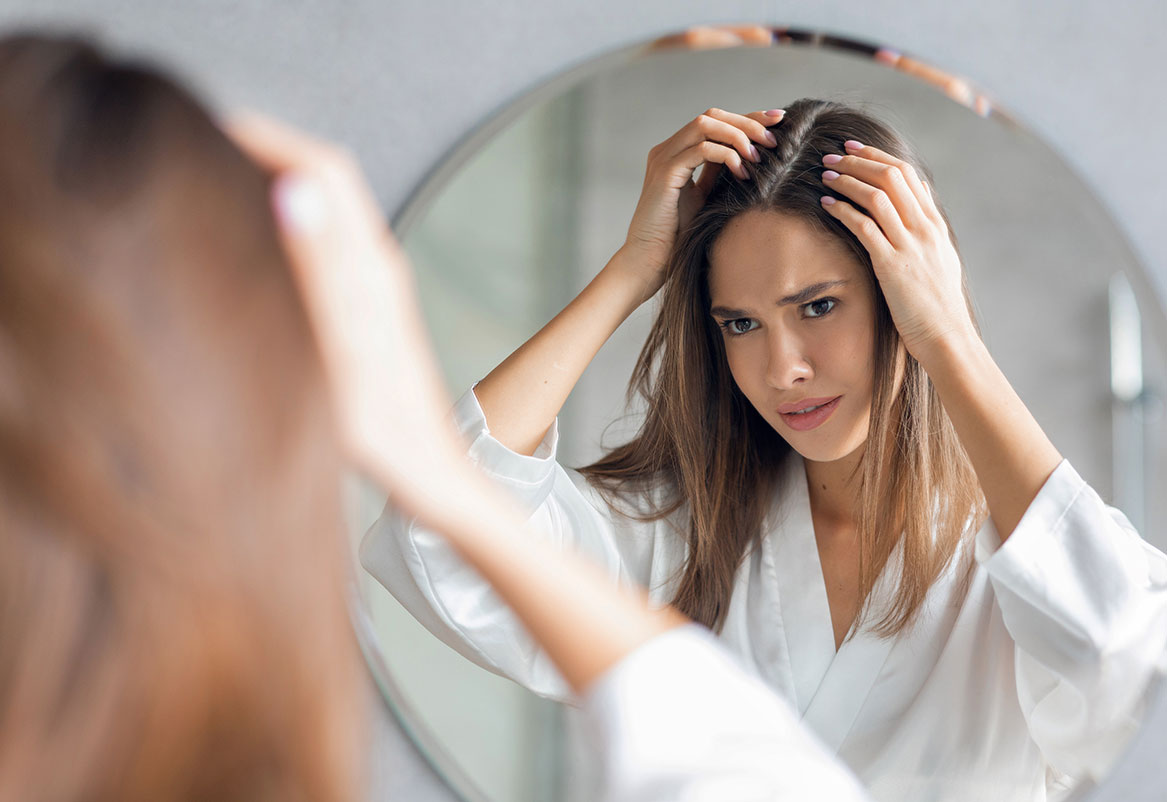
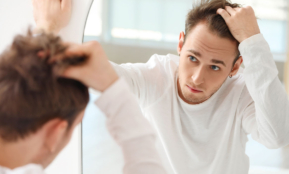
Hair loss most often affects middle-aged men, but this unpleasant problem also affects women – statistics say that up to 30% of women face hair loss and thinning. Female pattern baldness causes both dissatisfaction with their appearance and a lack of self-confidence.
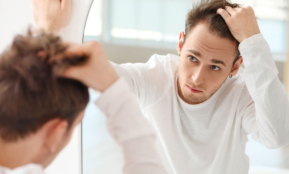
Hair loss (alopecia) has a number of causes, including hormonal problems, diseases, taking certain types of medications, hereditary factors, stress, and negative environmental influences. There are several types of alopecia – in some alopecias we notice focal hair loss, while in others hair thins over the entire scalp.
Hair loss is a natural part of the hair life cycle – hair grows, reaches its full length, is dormant for a while, and then falls out, and new hair grows in its place. It is completely normal to lose 70-100 hairs a day, with the focus on hair loss when washing. However, if you notice a loss of more than 100 hairs a day, it may be a type of alopecia.
Although men are more often affected by hair loss, statistics show that women make up as much as 30% of the total population affected by some form of alopecia.
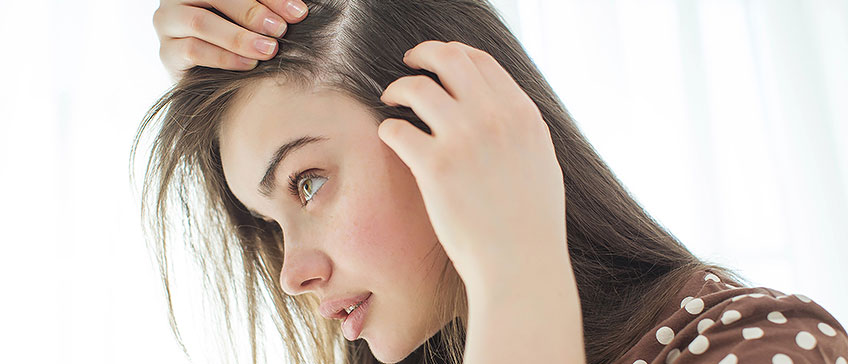
Hair loss in women typically occurs at an older age than in men, but unfortunately, younger women are not necessarily immune to various forms of hair loss. Female pattern baldness is thus becoming an aesthetic problem and concern for many women, regardless of age.
Some forms of hair loss can be stopped with proper care, changes in habits, mesotherapy treatments or certain medications – earlier intervention means a greater chance of success. With other forms, it may not be possible to stop hair loss and stimulate new hair growth, but it is possible to improve appearance and prevent stress and discomfort due to baldness with timely interventions, such as FUE hair transplantation.
If you are also suffering from this problem, you can get all the necessary support and care at the Bagatin Polyclinic.
The most common cause of hair loss in women - androgenic alopecia
As in men, the most common cause of hair loss is androgenic alopecia . However, the typical pattern of hair loss due to this type of alopecia differs between men and women.
While men usually lose their hair first on the sideburns and then on the crown, with only the hair remaining behind the temples and on the crown and nape of the neck in later stages, in women, androgenetic alopecia usually manifests itself as hair loss first at the parting and then on the crown. The hair thins, but it rarely becomes as drastic as in men.
Experts use the Ludwig scale to assess the degree of hair loss in women, while the Norwood Hamilton scale is used in men.
According to the Ludwig scale, stage one is minor hair loss at the parting, which can be hidden by hairstyle and a different way of combing. Stage two is more noticeable at the parting and general thinning of the hair. Stage three is when the scalp is visible, and the thinning of the hair is also visible on the rest of the scalp.
Androgenic alopecia - influence of male sex hormones on follicles and other causes
Androgenic alopecia is a condition in which androgens, male sex hormones, which are also normally present in women, negatively affect the vitality of hair follicles. In some people, their effects can prolong the time it takes for new hair to grow and make it thinner – instead of full, healthy hair, thinner and weaker hair grows, until it stops growing altogether.
Hair thinning and hair loss in women is usually noticed during menopause or in older age.
The underlying cause of androgenic alopecia may be hormonal problems, polycystic ovary syndrome, or some types of tumors, so it is important to approach this condition holistically, with an analysis of hormones and the overall health of the body.
Alopecia areata - focal type of alopecia
Alopecia areata is the second most common form of baldness. It is characterized by patchy loss of hair or other body hair, and occurs equally frequently in both sexes. If all hair is lost, it is called alopecia totalis , while if all hair and all body hair is lost, it is called alopecia universalis .
It occurs for a number of reasons, one of the most common being an autoimmune disorder in which the immune system attacks the follicles, leading to excessive and rapid hair loss. It occurs equally often in men and women.
This type of baldness can also occur after exposure to severe stress, as well as in people who have elevated thyroid antibodies.
In contrast to androgenic alopecia, which means permanent hair loss, in alopecia areata the hair grows back very often – even in 90% of cases. In about half of the people affected by this condition, the hair will grow back within half a year.
Telogen effluvium
Telogen effluvium is a condition in which hair enters a resting state prematurely and then falls out prematurely. This results in a rapid loss of hair that cannot be replaced, resulting in thinning hair throughout the scalp.
This is usually temporary hair loss and the hair will grow back.
The causes of telogen effluvium are varied – sometimes it is exposure to high stress, environmental toxins, the result of certain diseases or taking certain types of medications. Sometimes it occurs during menopause or during pregnancy and after childbirth, and a possible cause is a lack of micronutrients in the body (iron, zinc, B vitamins).
Read more about other types of alopecia in our blog at this link.
How to prevent hair loss in women?
If you notice increased hair loss, you should see a dermatologist immediately. The doctor will diagnose the stage of alopecia and the possible underlying cause of this condition. These may be certain diseases, insufficient nutrients, hormonal problems, genetic predisposition, etc. Based on the insight into the causes and stage of alopecia, the dermatologist will suggest treatment methods.
At Bagatin Polyclinic, we offer several high-quality and medically proven methods that can stop hair loss – or restore lost hair if there is no possibility for the hair to regrow on its own.
What can help hair that has the capacity to regenerate are two excellent treatments – mesotherapy and stem cell therapy from your own blood. These treatments deeply nourish and restore the follicles and all the cells of the scalp, thereby helping to preserve and regrow hair.
Methods of treating alopecia
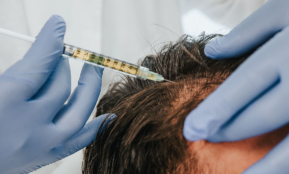
Mesotherapy is a non-surgical and minimally invasive method of aesthetic dermatology. It helps the scalp to recover by injecting a cocktail of vitamins, minerals, antioxidants, hyaluronic acid and other active substances directly into the scalp. This method has been used for over sixty years to restore hair, but also to rejuvenate the skin of the face and body with excellent results. Hair that is falling out due to a lack of nutrients or similar problems is given a strong stimulus to restore and stop the hair loss process.
Thinning hair therapy with one’s own blood is an innovative method in which the regeneration of the scalp is stimulated by the use of blood plasma from one’s own blood. Platelets, bio-active substances and growth factors naturally found in blood plasma are a natural and effective way of feeding and stimulating cell regeneration.
Androgenic alopecia can be treated with medications (minoxidil, finasteride, antiandrogens or estrogens), but given that these medications are potentially toxic, the decision to take them must be made by a specialist dermatologist.
It is important to note that at the Bagatin Polyclinic, these medications are available in the form of a spray or gel for topical application, which provides an equally effective stimulus for hair growth, without the side effects that can occur when these medications are taken in tablet form. Local application of the aforementioned sprays and gels is recommended after hair transplantation for at least a year after the transplantation, along with autologous stem cell therapy, in order to further stimulate hair growth and the success of the surgical procedure.
The main treatment for alopecia areata is usually corticosteroids, which can sometimes stop the progression of alopecia and help preserve the hair.
Hair loss is an unpleasant and very stressful condition for women – so don’t wait. If you notice signs of alopecia, contact us at the Bagatin Polyclinic immediately. Our team can help you with an examination, advice and quality treatments that have helped many women solve the problem of hair loss. Find out how to prevent hair loss. Contact us with full confidence!